
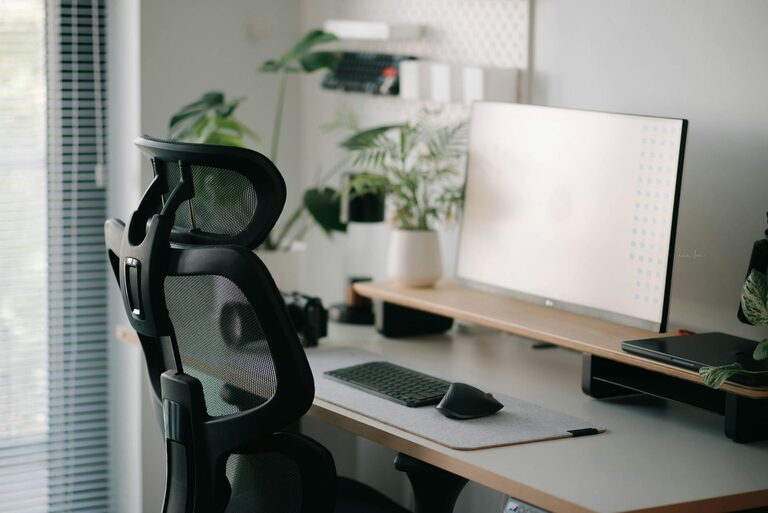
Creating a relaxing home workspace is essential for maintaining productivity and comfort, especially as more people work from home. A well-designed workspace helps reduce stress, minimize distractions, and keep focus throughout the day. Whether you’re starting from scratch or looking to improve your current setup, these practical tips will guide you toward a more enjoyable and efficient home office.
Why a Relaxing Workspace Matters
A space that feels calm and inviting can make a big difference in how you work. When your workspace encourages relaxation, you’re more likely to stay motivated and produce quality work. Comfort reduces fatigue, while organization helps you stay on track. Let’s explore how to create a balanced environment that supports your work style.
Choose the Right Location
Find a Quiet Spot
Select a place in your home that’s away from heavy foot traffic and loud noises. This helps you concentrate and prevents frequent interruptions. If space is limited, consider using noise-canceling headphones or adding soundproofing elements like rugs or curtains.
Prioritize Natural Light
Plenty of natural light boosts mood and energy levels. Position your desk near a window if possible. If natural light is limited, use soft, warm artificial lighting to reduce eye strain and create a cozy vibe.
Invest in Ergonomic Furniture
Comfortable Chair
Choose an ergonomic chair that supports your back and encourages good posture. Sitting comfortably reduces the risk of aches and long-term health issues.
Functional Desk
Ensure your desk has enough space to hold your computer, notebooks, and other essentials without clutter. Adjustable desks that allow you to alternate between sitting and standing can add variety and reduce fatigue.
Organize with Purpose
Declutter Regularly
A tidy area minimizes distractions and helps you focus. Use storage bins, shelves, and drawer organizers to keep supplies neatly stored but within reach.
Use Clear Labels
Labeling boxes and files helps you quickly find what you need. This small step saves time and keeps your workspace orderly.
Add Soothing Elements
Incorporate Plants
Greenery adds a calming touch and improves indoor air quality. Low-maintenance plants like succulents or spider plants work well in home offices.
Soft Textiles
Use cushions, rugs, or curtains in muted colors to create a warm, inviting atmosphere. These elements also help absorb sound and reduce echo.
Manage Technology Wisely
Cable Management
Unruly cables can create visual clutter and snag on your workspace. Use clips, sleeves, or cable boxes to keep wires neat and out of the way.
Minimize Screen Glare
Position monitors to avoid direct light shining on screens. Consider using anti-glare screen protectors or adjustable monitor stands to improve comfort.
Incorporate Personal Touches
Adding a few personal items like a favorite photo, artwork, or an inspirational quote can make your workspace feel uniquely yours. Just be careful not to overcrowd your desk so it remains relaxing and easy to navigate.
Take Regular Breaks
A relaxing workspace isn’t just about the physical setup—it also includes how you use it. Incorporate short breaks into your routine to stretch, hydrate, and rest your eyes. This helps maintain both comfort and productivity throughout the day.
Final Thoughts
Creating a relaxing home workspace is about balancing comfort with functionality. Focus on choosing the right location, investing in quality furniture, maintaining organization, and adding calming touches. With these tips, you can build a space that not only boosts productivity but also makes your workday more enjoyable. Remember, your workspace should support your well-being and help you bring your best to every task.