
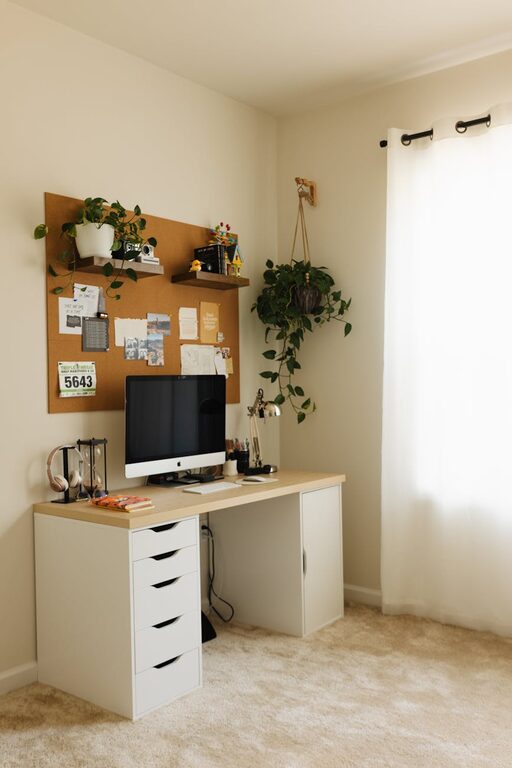
Creating a home office that feels both cozy and productive can transform your daily work experience. Whether you’re working remotely full-time or need a quiet spot for occasional tasks, the right environment helps you stay focused and comfortable. Here are some helpful tips to guide you in designing a home office that supports your best work.
Choose the Right Location
The first step is selecting a spot that suits your needs. Ideally, pick a space with minimal distractions and enough room for your essentials.
– Natural light: Try to position your desk near a window. Natural sunlight can boost your mood and reduce eye strain.
– Quiet area: If possible, find a part of your home away from noisy areas like the kitchen or living room.
– Privacy: If you share your home with others, choose a space where you can close a door and focus without interruptions.
Invest in Comfortable Furniture
Since you’ll spend hours working in your office, prioritize ergonomic and comfortable furniture.
– Ergonomic chair: A supportive chair reduces back pain and helps maintain good posture.
– Spacious desk: Choose a desk big enough for your computer, notebooks, and any other tools.
– Adjustable setup: Standing desks or those with adjustable height options allow you to change positions throughout the day.
Organize for Functionality
Keeping your workspace tidy can boost productivity and reduce stress. Use smart organization solutions to keep clutter at bay.
– Storage solutions: Shelves, drawers, and baskets can store papers, supplies, and other materials.
– Cable management: Use clips or sleeves to keep cords orderly and prevent tangling.
– Desk accessories: Use trays, pen holders, and organizers to keep your desk surface neat.
Personalize Your Space
Adding personal touches will make your office feel inviting and inspiring.
– Colors and decor: Choose colors that help you focus, like soft blues or greens, and add artwork you enjoy.
– Plants: Bringing in a few indoor plants can enhance air quality and create a calming atmosphere.
– Lighting: Use a combination of overhead lighting and desk lamps to brighten your workspace evenly.
Minimize Distractions
Creating boundaries helps separate work time from home life and keeps you focused.
– Set a schedule: Define regular work hours and communicate them to household members.
– Use noise control: Noise-cancelling headphones or white noise machines help reduce background sounds.
– Limit digital interruptions: Turn off non-essential notifications during work hours.
Incorporate Wellness Breaks
Your home office should support not only work but also well-being.
– Stretch and move: Keep a small area nearby for stretching or quick exercises.
– Hydration station: Have a water bottle or a small drink station close by to encourage regular hydration.
– Comfort items: Consider a cozy throw, a wrist rest, or a footrest for added comfort during long sessions.
Optimize Technology
Ensure your equipment supports your work without frustrations.
– Reliable internet: A strong, stable connection is critical for remote meetings and online tasks.
– Quality peripherals: Invest in a good keyboard, mouse, and monitor to enhance comfort and efficiency.
– Backup solutions: Keep external drives or cloud storage ready to protect your files securely.
Keep It Fresh and Flexible
Over time, adjust your space to fit changing needs and keep it inspiring.
– Rearrange layout: Periodically change furniture placement to improve flow and comfort.
– Swap decor: Refresh artwork, colors, or plants to maintain motivation.
– Clean regularly: Set a weekly routine for tidying and dusting to keep the environment pleasant.
Final Thoughts
Designing a cozy and productive home office takes thoughtful planning but can greatly improve your workday and well-being. By focusing on comfort, organization, and personalization, your workspace can become a place where you feel both relaxed and driven. Start small with a few changes and build your ideal office one step at a time.