
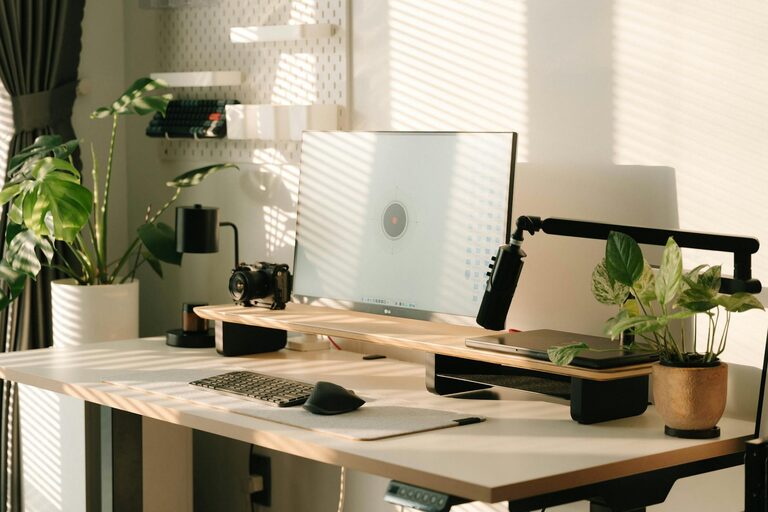
Creating a productive home office environment is essential for anyone working remotely or running a business from home. A well-designed workspace can help you focus better, stay organized, and separate work life from personal life. Whether you have a dedicated room or a small corner, these tips will guide you in building an effective home office setup.
Choose the Right Location
Find a Quiet Spot
Select a place in your home that minimizes distractions and noise. Ideally, this area should be away from high traffic zones like the kitchen or living room, where conversations and household activities might interrupt your work.
Consider Natural Light
Position your desk near a window if possible. Natural light can improve mood and reduce eye strain, making your workspace more inviting and energizing. If natural light is limited, invest in good quality task lighting.
Invest in Comfortable Furniture
Ergonomic Chair
Investing in a comfortable, supportive chair is crucial since you’ll likely spend several hours sitting. Ergonomic chairs help maintain good posture and reduce the risk of back or neck pain.
Functional Desk
Choose a desk that fits your space and provides enough surface area for your computer, documents, and other essentials. Adjustable desks that can alternate between sitting and standing positions offer added health benefits.
Organize Your Workspace
Declutter Regularly
Keep your desk clean and clutter-free by organizing papers, stationery, and equipment. Use storage containers, drawers, or shelves to store items you don’t frequently use.
Use Cable Management
Manage your cables with clips or sleeves to avoid tangling and a messy appearance. This simple step enhances the visual appeal of your workspace and prevents distractions.
Minimize Distractions
Set Boundaries
Communicate your work hours to family or housemates to reduce interruptions. Consider using a sign or closed door as a visual cue that you are in “work mode.”
Limit Digital Distractions
Turn off non-essential notifications on your phone and computer. Apps that block distracting websites during work hours can help maintain focus.
Personalize for Motivation
Add Inspiring Decor
Incorporate elements that make you feel motivated and comfortable, such as plants, artwork, or inspirational quotes. These personal touches can brighten your space and improve your mood.
Maintain a Color Scheme
Using calming or energizing colors depending on your preference can positively affect productivity. Blues and greens tend to be soothing, while yellows can boost creativity.
Establish a Routine
Set Clear Work Hours
Define a daily schedule to help your brain shift between work and personal time. Consistent start and end times promote discipline and help maintain work-life balance.
Take Regular Breaks
Incorporate short breaks every hour to stretch, hydrate, or take a quick walk. These pauses refresh your mind and help sustain productivity throughout the day.
Equip Your Office with Technology
Reliable Internet and Hardware
Ensure your internet connection is fast and stable to avoid interruptions during meetings and tasks. Use updated hardware like a good-quality monitor, keyboard, and mouse for comfortable use.
Backup Solutions
Use cloud storage or external drives routinely to back up important work files. This precaution safeguards your data against accidental loss or technical problems.
Maintain a Healthy Environment
Air Quality and Temperature
Keep your workspace well-ventilated to maintain fresh air. Adjust the room temperature for comfort—it shouldn’t be too hot or too cold.
Encourage Movement
Incorporate opportunities for movement, such as using a standing desk option or setting reminders to move around. Physical activity reduces fatigue and improves focus.
—
By applying these tips, you can create a home office environment that supports your productivity while promoting well-being. The key is to tailor your space to fit your personal work style and needs, ensuring it’s both functional and comfortable. Happy working from home!