
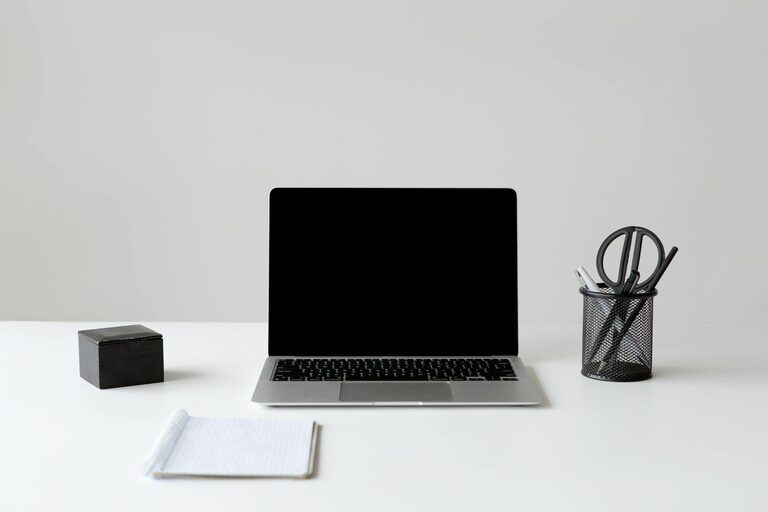
Creating an organized workspace can make a noticeable difference in your daily productivity and overall work experience. Whether you work from home or in an office, a neat and well-planned area helps you stay focused, minimize distractions, and complete tasks more efficiently. In this post, we’ll explore simple tips to organize your workspace and boost your productivity.
Why Organize Your Workspace?
An organized workspace offers several benefits:
– Improves focus: Clutter can distract your attention, but an orderly desk helps keep your mind clear.
– Saves time: When everything has its place, you spend less time searching for items.
– Reduces stress: A tidy environment creates a calm atmosphere that can lower anxiety.
– Enhances creativity: A clean space often encourages new ideas and clearer thinking.
With these benefits in mind, let’s dive into practical ways to get your workspace in shape.
Assess Your Current Workspace
Before you start organizing, take a few moments to evaluate your current setup:
- **Identify clutter:** What items do you use daily? Which items rarely get used?
- **Notice distractions:** Are there anything that pulls your attention away, like unnecessary decorations or piles of paperwork?
- **Consider ergonomics:** Is your chair comfortable? Is your desk at the right height? A well-structured workspace supports your body and efficiency.
This assessment helps you focus on what needs to change most.
Simple Tips for Organizing Your Workspace
1. Declutter Regularly
Start by clearing out everything that doesn’t belong or isn’t needed. Go through drawers, shelves, and your desktop. Sort items into categories: keep, donate, toss, or relocate. Keep only what you use daily or weekly on your desk.
2. Use Storage Solutions
Invest in storage options that suit your style and needs:
– Drawers and organizers: Use drawer dividers for small items like pens, paper clips, and sticky notes.
– Shelves: Store books, files, or supplies within easy reach but off your desktop.
– Bins or boxes: Group related items together to avoid scattered clutter.
Clear containers or labels can help you quickly find what you need.
3. Create Zones
Organize your workspace into specific zones based on tasks to keep related items close:
– Work zone: Computer, keyboard, mouse, and frequently used tools.
– Reference zone: Books, manuals, or notes you consult regularly.
– Supply zone: Extra stationery, charging cables, or other peripherals.
This way, you can smoothly switch between tasks without searching for essentials.
4. Minimize Decorations
While personal touches can make your space enjoyable, too many items on your desk can become distracting. Limit decorations to a few meaningful objects like a photo, a plant, or art that inspires you.
5. Organize Cables
Tangled cords disrupt your desk’s neatness and can be frustrating. Use cable clips, ties, or sleeves to bundle and route cords neatly behind your desk or computer.
6. Maintain Digital Organization
Your physical workspace isn’t the only place to declutter. An organized digital environment supports productivity:
– Create folder systems and clear your desktop regularly.
– Use cloud storage for easy access and backup.
– Keep your email inbox tidy with folders and filters.
7. Optimize Lighting
Good lighting reduces eye strain and improves focus. Position your desk near a window for natural light if possible. If you work in low-light conditions, use a desk lamp with adjustable brightness.
8. Keep Essential Items Within Reach
Ensure items you use frequently are close by to minimize interruptions. This could include your phone, planner, or favorite pen.
9. Plan for Breaks and Movement
An organized workspace includes areas that encourage brief breaks or movement. Consider a small area for stretching or a comfortable chair if space allows.
10. Clean Your Workspace Daily
Lastly, take a few minutes at the end of each day to tidy your desk, put things away, and prepare for tomorrow. This simple habit helps maintain long-term organization.
Final Thoughts
An organized workspace supports better work habits and productivity by creating an environment that feels calm and efficient. By decluttering regularly, using smart storage, and maintaining good habits, you can transform your desk into a space that helps you do your best work every day.
Implement these simple tips gradually, and remember that your workspace can evolve with your needs over time. A well-kept environment is both a tool and an invitation to stay focused, creative, and productive.