
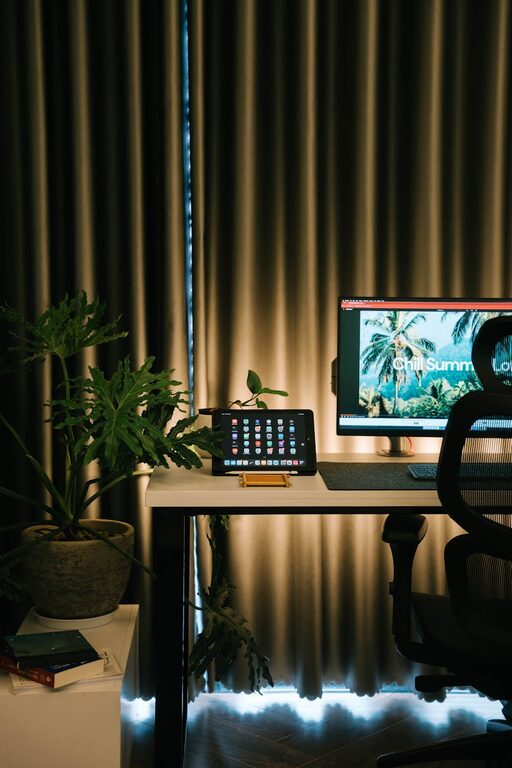
Creating a relaxing home workspace is essential for anyone looking to boost both productivity and comfort while working remotely. A well-designed area can help reduce stress, improve focus, and make long workdays more enjoyable. Whether you have a dedicated room or a small corner in your living space, these tips will guide you in setting up an inviting and practical workspace.
Why a Relaxing Workspace Matters
Your environment influences your mindset. A cluttered, noisy, or uncomfortable space can distract you and lower your motivation. On the other hand, a relaxing workspace encourages calm, creativity, and concentration. When your work area feels inviting, you’re more likely to stay on task and feel satisfied with your workday.
Choosing the Right Location
Consider Natural Light
Where possible, select a spot with ample natural light. Exposure to daylight helps regulate your body clock and can improve mood and alertness. Position your desk near a window, but avoid glare on your computer screen by adjusting blinds or curtains as needed.
Minimize Noise Distractions
A quieter area of your home can help you focus better. If you can’t avoid noise, consider using noise-cancelling headphones or a white noise machine to create a peaceful sound environment.
Furniture and Ergonomics
Invest in a Comfortable Chair
A comfortable, supportive chair is crucial for avoiding back pain and fatigue. Look for chairs with adjustable height, lumbar support, and a seat cushion that suits your needs.
Choose a Desk That Fits Your Space
Select a desk large enough to accommodate your work essentials without feeling cramped. Standing desks or adjustable-height desks offer flexibility to alternate between sitting and standing, which can improve comfort and energy.
Set Up Your Screen Correctly
Place your monitor at eye level about 20-30 inches away to reduce neck strain and eye fatigue. Using an external keyboard and mouse can help achieve better ergonomics if you’re working on a laptop.
Organizing Your Workspace
Declutter Regularly
Keep only necessary items on your desk to reduce distractions and create a sense of order. Use storage solutions like drawers, shelves, or desk organizers to keep supplies neatly stored.
Use Calming Colors and Décor
Choose soft, soothing colors such as light blues, greens, or neutrals for your workspace. Adding elements like plants or artwork can personalize your area and make it feel more inviting.
Incorporate Personal Comfort Items
Keep a cozy throw blanket, a small cushion, or a stress ball nearby. These small touches can provide physical and emotional comfort during busy or stressful moments.
Lighting Tips
Layer Your Lighting
Combine natural light with adjustable overhead and task lighting. A desk lamp with warm, soft light can reduce eye strain and create a cozy atmosphere, especially during early mornings or late evenings.
Avoid Harsh Lighting
Steer clear of overly bright or flickering lights. LED lamps with adjustable brightness and color temperature allow you to customize lighting to your preference.
Creating a Routine for Comfort and Focus
Take Regular Breaks
Incorporate short breaks to stretch or walk around every hour. This practice helps reduce eye strain, improve circulation, and reset your focus.
Set Boundaries for Work and Relaxation
Create clear start and stop times for your workday to maintain a balance. At the end of your workday, tidy your workspace to signal the transition from work to relaxation.
Use Soothing Sounds
Play ambient sounds like calm music, nature sounds, or white noise to help maintain concentration and create a peaceful environment.
Technology Tips
Manage Cables and Devices
Use cable organizers to keep cords tangle-free and out of sight. Limit the number of devices on your desk to avoid clutter.
Optimize Your Tech Setup
Ensure your internet connection is stable and your technology is up to date. This reduces frustrations and keeps your workflow smooth.
Final Thoughts
Designing a relaxing home workspace is about combining comfort, organization, and functionality. When your workspace supports your well-being and focus, you’ll find yourself more productive and less stressed. Take time to personalize your space, listen to your needs, and adjust as necessary to create the perfect home office environment for you.